
Dr Bobby Virk, DMD, MSD
Losing a retainer has a way of turning into a much bigger problem by the next morning.
Maybe the dog got to it. Maybe it cracked. Maybe it disappeared during travel, lunch, or a move. Whatever the reason, the first question is usually the same: can I get a new retainer from a different orthodontist?
In many cases, yes, you can.
The better question is whether your teeth have stayed stable enough for a straightforward replacement or whether the fit has already changed. That is what determines whether the process stays simple or becomes something a little more involved.
For patients trying to find an orthodontist in Graham, this is one of the most common post-treatment concerns. Retainers are easy to underestimate right up until one is gone.
Yes, you can usually get a retainer from a different orthodontist
You do not always have to go back to the exact office that handled your original treatment.
A new orthodontist can often make a replacement retainer, especially if:
- your teeth have not shifted much
- you still remember what type of retainer you had
- the original retainer is lost or broken, but your bite still feels the same
- you are able to come in for a scan or evaluation quickly
That said, a replacement is not always automatic. Orthodontists still need to confirm that the new retainer will fit your current teeth, not the teeth you had six months or two years ago.
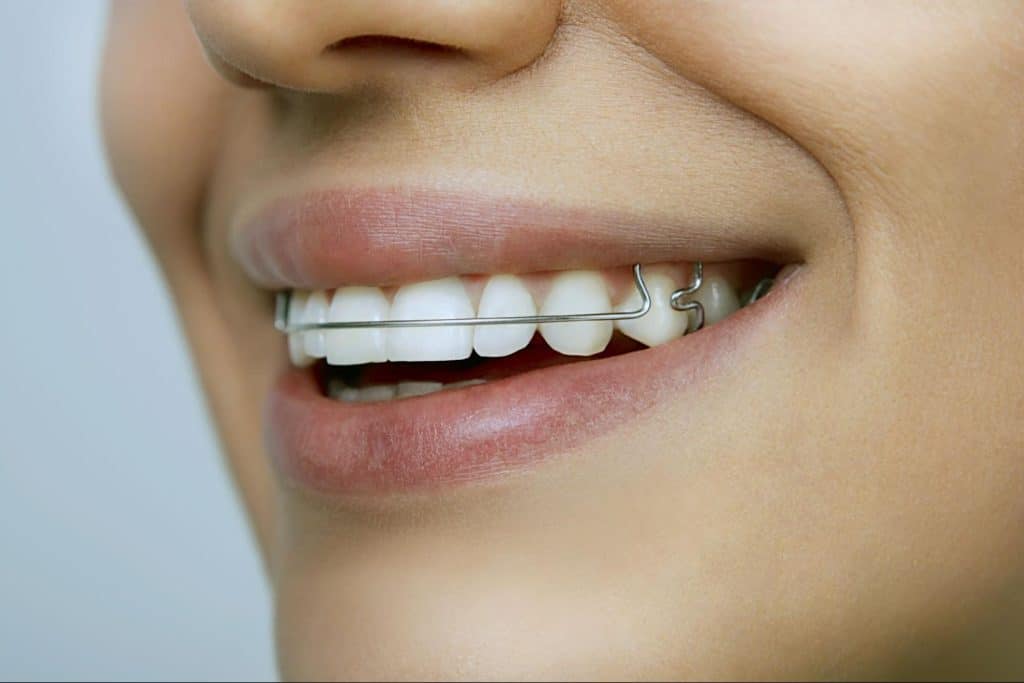
That is the part patients sometimes miss. Retainers are not generic appliances. They are custom-made to fit the smile exactly as it is supposed to be held.
The biggest factor is whether your teeth have shifted
This is where timing matters.
If you replace a lost retainer quickly, the process is often much easier. If you wait too long, even small tooth movement can change the fit enough that a direct replacement no longer works the way it should.
Some people notice this immediately:
- the bite feels slightly different
- one front tooth seems off
- the old retainer no longer seats fully
- there is new tightness in places that did not feel tight before
Other times, the movement is subtle enough that you do not see it until the scan is taken.
That is why the best move after losing or breaking a retainer is not to “watch it for a while.” It is to get it checked while the smile still has the best chance of being held where it belongs.
What happens when you go to a different orthodontist for a new retainer?
Most of the time, the process is pretty straightforward.
1. Your teeth are evaluated
The first step is making sure your current tooth position still supports a replacement retainer.
2. A digital scan or impression is taken
A new retainer is based on your teeth as they are now, not on old records from another office. That is one reason a modern scan matters.
3. The orthodontist checks whether a simple replacement is enough
If the teeth are still stable, a new retainer may be all you need. If there has already been noticeable movement, the recommendation may be different.
4. You get a plan for protecting the result
Sometimes that means a single replacement retainer. Sometimes it means a short correction plan before retention can start again.
The key point is this: a new orthodontist is not just “reprinting” an old appliance. They are making sure your current smile still matches what a retainer is supposed to hold.
What if your teeth already moved?

That is where the answer changes.
If your teeth have shifted too much, a new retainer may not fit properly or may not be the right solution by itself. In that case, the orthodontist may recommend limited retreatment before a retainer is made.
That does not always mean a major restart. Sometimes the correction is smaller than people expect. But it does mean the problem should be treated honestly rather than forcing a retainer onto teeth that are no longer in the right position.
This is also one reason people who had previous treatment sometimes end up revisiting Invisalign clear aligners or braces. A retainer can hold a result. It cannot fully recreate one if too much movement has already happened.
Is it a problem if your original orthodontist has your records?
Not usually.
Old records can be helpful, but they are not required for every replacement case. A current orthodontist can evaluate your smile, take fresh scans, and make a retainer based on your present tooth position.
In other words, the lack of original records does not usually stop the process. What matters more is what your teeth are doing now.
That is good news for patients who:
- moved to a new area
- finished treatment years ago
- no longer have access to their original office
- want a replacement closer to home
When you should not wait
Retainer issues feel easy to postpone because they are not always painful.
That is exactly why people wait too long.
You should get in touch with an orthodontic office quickly if:
- your retainer is lost
- it cracked or warped
- it no longer fits all the way
- you can already feel tooth movement
- you stopped wearing it and now the fit feels tight
The longer the delay, the greater the chance that replacement becomes correction.
And if the loss or break happens at a bad time, it can still help to reach out for emergency care guidance so you know what to do next instead of guessing.
Why it helps to see an orthodontist instead of a general dentist
Some general dental offices may offer retainers, but an orthodontist is in the stronger position to judge whether your teeth have stayed where they should.
That matters because the issue is not only appliance replacement. It is retention, fit, and whether the bite is still stable enough for a straightforward solution.
An orthodontist is also more likely to identify when:
- the retainer fit issue is actually tooth movement
- a small correction may be needed first
- the original type of retainer is no longer the best option
- the replacement needs to be adjusted around your current bite
For patients searching for an orthodontist near Graham after losing a retainer, that level of judgment is usually more valuable than simply finding the fastest appliance remake possible.
What about the cost?
The cost depends on the kind of retainer being replaced, whether a scan is needed, and whether the teeth are still stable enough for a simple remake.
If there has been movement, the cost conversation may change because treatment may involve more than a replacement retainer alone.
That is why it helps to get an answer early instead of waiting until the problem becomes more complicated. If budgeting is part of the concern, reviewing financial information early can make the next step feel more manageable.
The smart move is replacing it before it turns into something bigger
A lost retainer is annoying. A shifted smile is more than annoying.
In many cases, yes, you can get a new retainer from a different orthodontist. The trick is doing it while your teeth are still close enough to their intended position for the replacement to work the way it should.
If you think your retainer is broken, missing, or no longer fits right, schedule a visit with Smiles Orthodontics before small movement turns into a bigger correction issue. Call (253) 655-0855 to get started and find the next available step.
Frequently Asked Questions
Can I really get a retainer from a different orthodontist?
Yes, in many cases you can. The new orthodontist will usually need to evaluate your teeth and take a new scan or impression before making the replacement.
What if I lost my retainer years after treatment?
You may still be able to get a new one, but the teeth will need to be checked first to see whether they stayed stable enough for a direct replacement.
Will a new orthodontist need my old records?
Not always. Fresh scans and a current evaluation are often enough to make a new retainer.
What if my old retainer no longer fits?
That may mean your teeth have shifted. A replacement might still be possible, but the orthodontist will need to check whether more than a simple remake is required.
How fast should I replace a lost retainer?
As soon as possible. Waiting increases the chance of tooth movement, which can make the process more complicated.